70% of drugs used in Nigeria are imported - PSN
Date: 2018-03-21
The President, Pharmaceutical Society of Nigeria, Ahmed Yakasai, on Tuesday said that about 70 per cent of drugs used in Nigeria are imported.
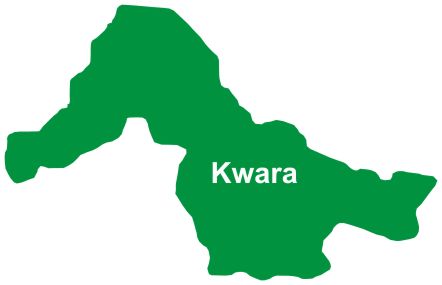
Speaking during a briefing held in Ilorin, the Kwara State capital,Yakasai also said that between 25 per cent and 30 per cent of the total quantity of drugs are manufactured locally in the country.
The PSN boss described the development as sad, adding that 70 per cent locally manufactured and 30 per cent imported drugs had been targeted.
He said that fake and sub-standard products, as well as drug abuse, were dangerous for the economy and security of the nation.
He stated that herbal drugs could be good for the nation's healthcare system.
Yakassi said, "We know what is happening, as par herbal drugs. When I visited Ghana, I found that herbal drugs were being manufactured for exportation.
"When I went to the United States three months ago, I saw Ghana Herbal Pharmacopoeia. So I started making noise in the social media before the Minister for Health Prof Isaac Adewole set up a committee on Nigeria Herbal Pharmacopoeia.
"So the PSN is fighting fake and sub-standard drugs. We are fighting drug abuse and we are promoting local production of drugs. We have national policy on drug production. Unfortunately, it was reviewed last in 2005. We agreed that local manufacturers in the country would be producing 70 per cent of the drugs for local consumption and 30 percent to be imported."
Yakasai also described as sad the fact that Nigeria still imports drugs from China, Pakistan and Ghana, instead of exporting them.
He lamented that factors, such as the absence of an environment conducive enough for manufacturing, lack of infrastructure, high taxation, among others, were limiting the local production of drugs.
Stressing that local production of drugs would be enhanced by the time the Dangote Petro-chemical plant would have commenced operation, Yakassi said, "You are aware thatwhen we were fighting the issue of common tariff, they went to Bamako in Mali and agreed that pharmaceuticals should attract zero tariff on finished products.
They also concluded that raw materials for pharmaceuticals should attract between three an 20 percent tariff because many of the smaller countries don't have industries. Unfortunately, Nigeria signed. And we have about 178 pharmaceutical industries. 120 are registered and four qualified by World Health Organisation.
"Unfortunately, before you are qualified you have to spend $4m without any assistance from government. So far, two of them have become moribund. Swifer has already been taken over by a bank and sold. Evans has already taken over by the bank and almost sold. Others are near comatose."
Source