


Fixing the Foundation: UBEC, NGF and the Abdulrazaq Blueprint for Basic Education Reform
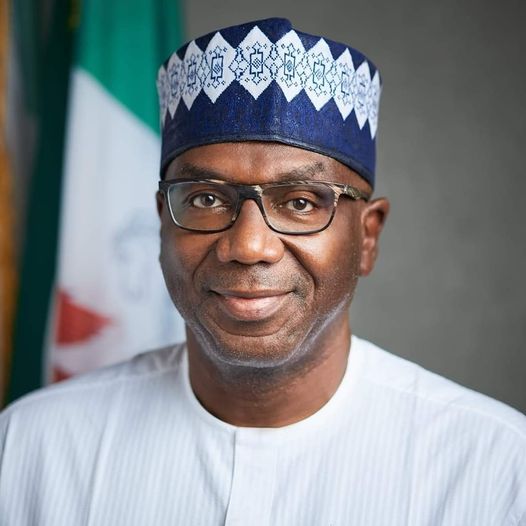
As Nigeria grapples with the challenge of out-of-school children estimated to be among the highest globally recent interventions led by the Universal Basic Education Commission (UBEC) and the Nigeria Governors' Forum (NGF) offer renewed hope. At the center of this momentum is Governor Abdulrahman Abdulrazaq of Kwara State, whose leadership as NGF Chairman is setting a new national tone on foundational education.
Last week, the NGF convened a multi-stakeholder dialogue in Abuja focusing on foundational learning and strategies to combat the out-of-school children crisis. Commissioners of Education and Chairpersons of State Universal Basic Education Boards (SUBEBs) were present to discuss reforms and implementation pathways. The gathering reaffirmed the need for stronger state-level ownership and collaborative policymaking.
Kwara State presents a model of what focused leadership and fiscal discipline can achieve. Upon assuming office, Governor Abdulrazaq moved swiftly to pay backlogs of UBEC counterpart funding, allowing the state to access over N14.2 billion in federal matching grants. This intervention reversed Kwara's prior blacklisting from UBEC funding and unlocked a cascade of basic education infrastructure projects across the state.
Through the Prof. Shehu Adaramaja-led Kwara SUBEB, over 600 schools have been renovated or newly constructed across the 16 local government areas. Classrooms have been furnished, perimeter fences erected, boreholes sunk, and WASH facilities installed, with clear attention to equity and rural inclusion. These upgrades are impacting both teaching and learning environments in meaningful ways.
In addition to infrastructure, Kwara has tackled the human resource challenge head-on. Between 2024 and 2025, the state recruited over 3,400 new teaching and non-teaching staff, with an emphasis on STEM subjects and community-based education. All recruited staff signed performance bonds, demonstrating a commitment to accountability and results.
Another bright spot is the KwaraLEARN programme an ambitious education technology initiative that has digitized classroom management in over 870 public schools. With real-time monitoring, teacher coaching, and structured lesson plans, over 120,000 pupils now benefit from a more consistent and effective learning experience. Early results show gains in literacy and numeracy scores, attendance, and classroom engagement.
Kwara has also gone beyond the school walls. Earlier this year, a targeted enrollment drive brought over 2,300 out-of-school children into classrooms. These efforts were especially focused on nomadic communities, street children, and underserved areas often missed in national data. Plans are also underway to build 15 new schools in remote areas to further reduce access barriers.
Perhaps the most telling endorsement of Kwara's progress came in May 2025 when UBEC's North-Central Director described the state as "a pacesetter in compliance." This reflects not just infrastructural output but the state's commitment to due process, transparency, and strategic alignment with federal education goals.
Governor Abdulrazaq's leadership at the NGF is crucial to replicating this progress nationwide. His advocacy for coordinated policies, timely funding, and inclusive education models is influencing how states approach their UBE responsibilities. The recent dialogue in Abuja underscored the need for such synergy.
As Nigeria intensifies efforts to implement a new national strategy on foundational learning, it is clear that the states must lead from the front. Kwara State's success story shows that with the right blend of policy, leadership, and stakeholder engagement, progress is not just possible it is sustainable.
The crisis of out-of-school children and weak foundational education has persisted for too long. But if more states follow the Kwara example under Governor Abdulrazaq's NGF-backed leadership, the foundation of Nigeria's future can be salvaged and secured.
In this regard, what is happening in Kwara should not just be applauded it should be emulated. The real task now is to replicate such bold governance across every corner of the country.
Dr. Olufemi A. Adetola writes from No 18, Adelodun Road, GRA, Ilorin
Cloud Tag: What's trending
Click on a word/phrase to read more about it.
Logun Dele Belgore UNIFEMGA Doyin Group Ramadhan Adeniyi Ojo Shade Omoniyi Reuben Paraje Makama Agboola Babatunde Lithium Offa Grammer School Adesina Simon Sodiya Tanke Road Salaudeen Oyewale Fatai Olodo Adisa Logun Ekiti Gbugbu International Market Marufat Oladosu Ndama Al-hassan ITP Atiku Abubakar TESCOM 2025 Lanre Issa-Onilu Abdulrahman Iliasu Alabe Wahab Agbaje Aminu Adisa Logun Mohammed Jimoh Faworaja Babajide Ajayi Abdullateef Abdussalam Haashim Initiative For Community Advancement KW-GIS Neuropsychiatric Hospital Haliru Dantoro Sa\'ad Alanamu Facemasks Yaman Adesoye Gambari Issa Oloruntogun Mohammed Danjuma Sulyman Atolagbe Alege Ojo Isekuse ER-KANG Kwara State Governor Sola Saraki University Code Of Conduct Tribunal Fulani Gaa Olobi Moses Adekanye Pakata Development Association Adaramaja Maryam A. Garuba Mufutau Olatinwo Ella Supreme Tissue Paper Kubra Kazum Volunteers Of Ilorin Community And The Emirate Lukman Adeloyin Cornelius Adebayo Kazeem Gbolagade YAKOOYO Ahmed Bolaji Nagode Bola Iyabo Ibiyeye Adisa Musbau A. Akanji Na\'Allah Council Of The Wise Samuel Olusegun Adedayo Lola Olabayo Mohammed Kamaludeen Monthly Sanitation Ibrahim Sulu Gambari Bank Of Industry Kunle Akogun Kamaldeen Kehinde Halimat Yusuf