


Nigerians Spend 65% Of Salaries On Food – UN
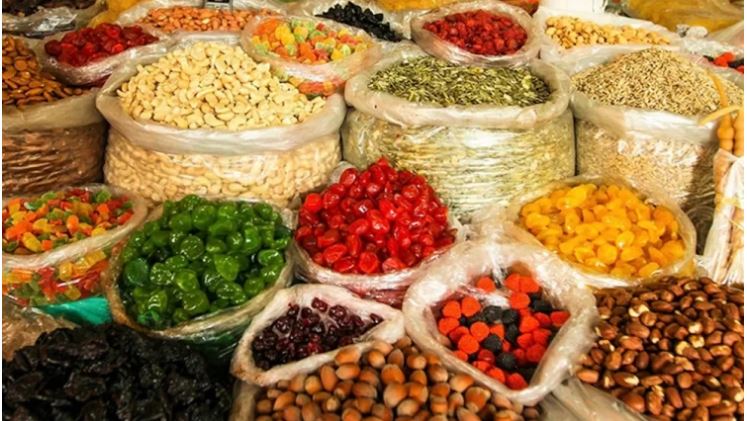
According to a news report from Leadership, the United Nations (UN) has described as unacceptable the statistical data showing that Nigerians spend over 65 percent of their salaries on food, compared to five to six percent in other regions.
Dr. Hameed Nuru, a veterinarian and food security advocate with the UN World Food Programme (WFP), made this statement in Ilorin, Kwara State, while delivering the maiden annual lecture of the University of Ilorin's Faculty of Veterinary Medicine. The lecture was held in honour of Professor Saka Nuru, a former deputy vice-chancellor of Ahmadu Bello University (ABU), Zaria, and the first professor from the Ilorin Emirate.
Nuru, whose lecture was titled, “Navigating the nexus of food security, safety and diseases: a holistic sustainable future and economic prosperity,” suggested that the federal and state governments should make a dedicated annual budgetary allocation for food security.
He disclosed that Nigeria is predicted to have one million malnourished children from August this year due to conflicts, insecurity, and climate change, especially in the North East, a replica of the situation in Somalia.
“The government should come up with a policy that will give the citizens access to food. It's undignifying to always hand over food to people without developing their economic capacity to access the food themselves”, he said.
The lecturer, who said that the country's future will never be secure without food security, added, “It's not the oil, and not the diamond, but food security that can guarantee Nigeria's future.”
Nuru, the director of the African Union Global Office and a representative to the African Union and Economic Commission for Africa, also said that food security is linked with national security.
He suggested that Nigeria's governments and people should prioritise and promote the nation's indigenous food against processed and imported food, saying that Africa used about $60.8 billion to import food annually.
“Africa should move from agriculture for the stomach to agriculture for wealth. Africa should strengthen agriculture production to address food security,” he said.
Nuru also opined that government policy should attract more youth into the agricultural sector, saying that “the sector will have to be more attractive and lucrative, especially commodities, markets, transport, storage, processing, links, etc.
“Encouraging and supporting the African Free Continental trade agreement: Food commodities should be the primary focus. Regional and continental trade of food and other mineral products should be encouraged.”
He said, “WFP is prioritising its operations to reach 1.1 million vulnerable people every month in northern Nigeria. Those receiving assistance include displaced people living in camps or host communities, vulnerable members of host communities and people returning home after months of displacement.
“WFP has targeted 2.6 million beneficiaries in 2024 and was able to support 1.3 million beneficiaries in the first quarter of 2024.”
Cloud Tag: What's trending
Click on a word/phrase to read more about it.
Musibau Akanji Abdulrazaq Aiyelabegan Omu-aran Kale Kawu Al-Adaby Nigerian Supreme Council For Islamic Affairs Musa Abdullahi Nnazua QuickWin Baba Adini Of Kwara State Babata Mufti Of Ilorin Ibrahim Abduquadri Abikan Assayomo Esinrogunjo Ilorin Central Mosque Solomon Edojah Bature Bello Babajide Ajayi All Peoples Party Ali Ahmad Jamiu Oyawoye Moses Adekanye Kamaldeen Gambari Yusuf Abdulraheem Dele Belgore Rasaq Jimoh CLAY POT Olota Of Odo-Owa Charcoal Oko-Erin Cassava Growers\' Association Kwara Consultative Forum IQRA College Azeez Salawu Ayinde Oyepitan Mohammed Lawal Bello Abubakar Muhammad Sirajo Aliyu Oke-Ero Ibrahim Issa Jetti Oba Abu Ganiyu Abolarin Bola Sagaya Suraj Tunji Oyewale David Oyerinola Adedunmoye Sobi Specialist Hospital Abubakar Usman Jos Is\'haq Modibbo Kawu Monthly Sanitation Exercise Adebayo Mohammed Kamaldeen Bolaji Abdullahi SAPZ Project Garba Idris Ajia Federal Road Maintenance Agency Saliu Alamoyo Aishatu Ahmed Gobir Bolakale Saka Salake Ibrahim Orire Ibraheem Abdullateef Matthew Okedare Haruna Tambiri Mohammed Countryside Emerging Leaders Fellowship Shao Kwara South Esuwoye Saad Omo Iya Igosun Share/Tsaragi Tunji Arosanyin Hakeem Lawal Olofa Of Offa Madawaki Of Ilorin Ariyo Raymond Olaitan Sanusi Abubakar