


Obasanjo Blames Yar'Adua for Poor Agric Performance
FORMER President Olusegun Obasanjo has blamed the administration of his successor, late Umaru Musa Yar’Adua, for the poor performance of agriculture sector.
Obasanjo lamented the slow pace of development in the sector since he left office. He regretted that his successor did not build on his achievements in the sector.
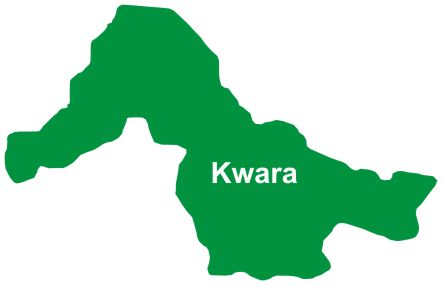
The ex-President, who spoke as a guest lecturer at the 16th annual lecture of the Agricultural and Rural Management Training Institute (ARMTI) held in Ilorin, Kwara State, last Thursday, noted that the sector recorded seven percent annual growth between 2003 and 2007.
“At a point after 1979 when almost all the gains seemed to have been destroyed through indiscriminate importation and dumping, I was skeptical if we could ever make it in the area of agriculture.
“But the progress we made between 2003 and 2007 when Nigeria grew its agricultural production by an average of 7per cent yearly enhanced my optimism and enthusiasm. For instance, cocoa production increased from 150,000 metric tonnes to 400,000 while cassava moved from 30 million metric tonnes to 50 million. We were on the path of self sufficiency again in vegetable oil, just as rice, maize and sorghum production increased substantially,” he recalled.
Obasanjo lamented that subsequent administration “put things in reverse gear.” He, however, acknowledged efforts being made by the current administration to reposition the sector for growth.
Noting that instability in policymaking has not helped agribusiness, the statesman called for more consistency.
He commended ongoing efforts under the Agricultural Transformation Agenda (ATA).
Obasanjo put pre and post-harvest losses of farmers in Sub-Saharan Africa at about $4 billion.
In his remarks, Minister of Agriculture and Rural Development, Dr. Akinkunmi Adesina, pledged to increase the country’s relevance in global market through agriculture.
He said the government has commenced registration of five million farmers who will benefit from the Growth Enhancement Support (GES) scheme.
The minister said the 20 per cent cassava contributes to bread will add about N127 billion to the economy.
Cloud Tag: What's trending
Click on a word/phrase to read more about it.
Omoniyi Bola Sagaya Ndama Al-hassan Wahab Issa Ganmo Balogun Ajikobi Khairat Gwadabe Yeketi Ahmad Belgore Isiaka Gold Isiaka Oniwa Okin Malt Baakini Raliat Islamic Foundation Modibo Kawu Patigi Regatta Barakat Community Secondary School Biliaminu Aliu Obuh Elelu Bayo Ojo Jumoke F. Ajao Salihu Ajia Rabiu Kwankwaso Haliru Dantoro Bello Oyedepo UITH Waziri Yakubu Gobir Mutawali Risikat Lawal Hauwa Nuru Islamiya Abdulraheem Busari Toyin Isiaka Iyabo Adewuyi Aliyu U. Tilde Al-Adaby Dorcas Afeniforo Oko-Erin Ojo Isekuse Al-Hikmah University Tunde Akanbi Imam Gambari High Court Abdulmutalib Shittu Sarah Alade Omoniyi Ayinla Shaaba Lafiagi Cassava Growers\' Association Moji Makanjuola Alao Ayotunde Alanamu Bola Shagaya Kwara Apc Saraki Yusuf Abdulkadir Rafiu Olasile Islamic Development Bank Alumni Association Of The Federal Polytechnic Offa Busari Alabi Alausa NFAI Agbarigidoma Razaq Atunwa Folorunsho Erubu Trader Moni Doyin Awoyale Issa Memunat Moyosore Kwara State Governor Ojuekun Sarumi Jide Ashonibare Mohammed Tunde-Jimoh Umar Adelodun Malete Umar Bayo Abdulwahab Congress For National Consensus Mustapha Olanipekun Yahya Mohammed UNIFEMGA