


PCN Closes 724 Illegal Drug Premises in Kwara, Tasks Regulatory Bodies on Grassroots Surveillance
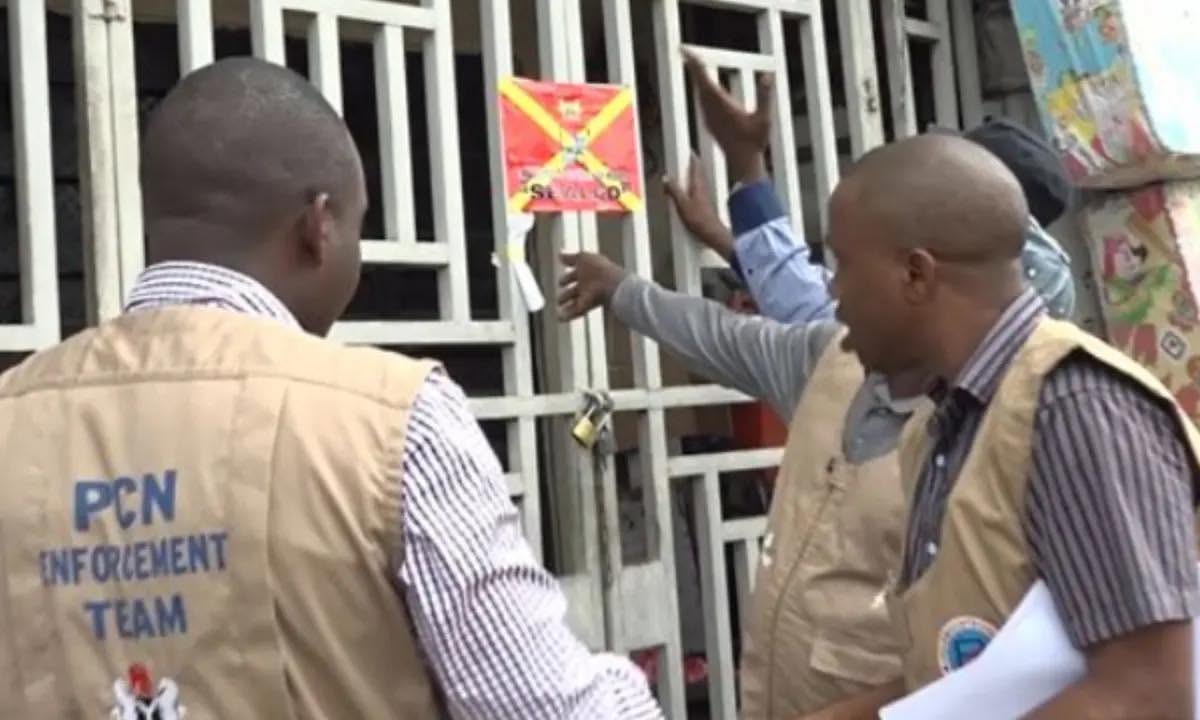
The recent discovery and closure of 724 illegal drug premises in Kwara State by inspectors of the Pharmacy Council of Nigeria (PCN) from Abuja has sparked serious concern among the Kwara State Government and health sector stakeholders. While the enforcement exercise has been commended, the sheer number of illegal premises uncovered has been described as alarming and unacceptable.
The existence of 724 illegal drug outlets raises critical questions about the extent of unregulated medicine distribution within communities. Stakeholders expressed worry that many residents may have unknowingly purchased medicines from unauthorised sources for years, exposing themselves to significant health risks.
Many of these illegal drug premises are operated by non-pharmacists and individuals who lack the necessary pharmaceutical education, training, and professional oversight required for the safe handling and dispensing of medicines. Such operators reportedly do not possess adequate knowledge of drug storage requirements, medication counselling, dosage management, adverse drug reactions, or drug interactions.
The consequences can include treatment failure, medication errors, antimicrobial resistance, avoidable complications, and even loss of life.
It is feared that the true health impact of these illegal operations may never be fully known, as countless cases of poor health outcomes, prolonged illnesses, and medication-related complications may have originated from medicines obtained through these unregulated channels without ever being traced back to their source.
The findings by the PCN inspectors from Abuja are being seen as a wake-up call for all stakeholders, particularly the Kwara State Pharmaceutical Inspectors Committee (PIC). The staggering figure of 724 illegal premises suggests that existing surveillance and enforcement mechanisms require urgent strengthening.
Consequently, it has been recommended that the Kwara PIC redirect its energy toward developing more robust and proactive strategies aimed at identifying and eliminating illegal drug outlets before they become entrenched in communities.
A key recommendation is for the Kwara State PIC to leverage the Community Health Committees established by the Kwara State Hospitals Management Board (KW-HMB) across 46 communities in the state.
These committees have already demonstrated their effectiveness in supporting the monitoring and supervision of state-owned health facilities, particularly in rural and underserved communities. Their grassroots presence and close relationship with community members position them to serve as valuable partners in identifying and reporting illegal drug premises and unauthorised medicine vendors.
Furthermore, the committees can support public enlightenment campaigns on the dangers of patronising illegal drug outlets and encourage residents to seek pharmaceutical services from licensed providers. By integrating these Community Health Committees into its surveillance and intelligence-gathering framework, the Kwara PIC can significantly expand its reach, improve community-based reporting, and strengthen efforts to reduce the prevalence of illegal drug premises across the state.
The overarching goal is that when PCN inspectors from Abuja return for future enforcement exercises, they should find a significantly reduced number of illegal drug premises in Kwara State. Such an outcome would demonstrate that lessons have been learned, corrective actions have been implemented, and public health protection remains a top priority.
Stakeholders emphasised that protecting the public from unsafe medicines is a collective responsibility, noting that the startling figure of 724 illegal drug premises must never become the norm in Kwara State. Instead, it should serve as a catalyst for renewed regulatory vigilance, stronger enforcement, and sustained efforts to build a safer, more accountable, and professionally regulated pharmaceutical sector for the benefit of all Kwarans.
Cloud Tag: What's trending
Click on a word/phrase to read more about it.
Haashim Initiative For Community Advancement Muhammad Toyin Sanusi Pakata Patriots Bayo Ojo Bayo Onimago Zulkifli Ibraheem Ganiyu Taofiq Hakeem Idris Government High School (GHS), Adeta Ademola Kiyesola T And K FOODS Agboola Abdulraheem Boko Haram Mumini Ishola Hanafi Dauda Adeniran Adeshola Salihu Ajibola Ajia Kayode Ishola Olayinka Oladapo Jogunola Kwara University Of Education Musa Yeketi Diagnostic Centre Abdullahi Imam Abdullahi Musa Ayinla Yeketi Yakubu Shaaba Pilgrims Board Allocation March 28 Aliyu Olatunji Ajanaku Sabitiyu Grillo Simeon Sayomi MalHub Dagbalodo Saduki Lafiagi Ahmad Uthman Muritala Awodun Niyi Osundare Societe Generale Bank Of Nigeria Isiaka Oniwa Clara Nwachukwu Magaji Nda Mufutau Gbadamosi Esuwoye RTEAN Sam Okaula Wahab Kunle Shittu Aliyu Umar Ojuekun Oke-Odo Kwara State Polytechnic Adaramaja Ronke Adeyemi UNIFEMGA Veterinary Teaching Hospital Lanre Issa Onilu Harmony Holdings Adanla-Irese Ayegbeni Usman Yunusa SARS A.G.F Abdulrasaq Ahmad Lawan Funmilayo Oniwa IF-K KWASEIC Rebecca Bake Yunus Oniboki Timothy Akangbe Yakub Ali-Agan Femi Ogunsola Chief Imam Of Offa Apado Col. Taiwo Ilesha-Baruba Alabi Olayemi Abdulrazak Muazam Nayaya Danladi Gobir Kale Belgore