


Why We Organise Annual Mass Wedding — Kwara Community
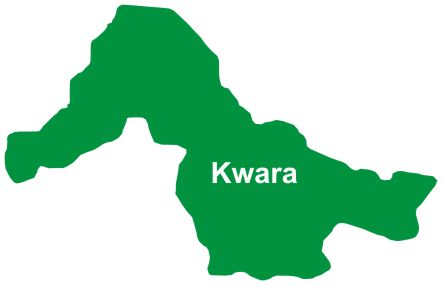
The Ohoro of Shao in Moro LGA of Kwara, Chief Job Atolagbe, has said that the community's annual mass wedding tradition during the Awon festival is to promote unity and inclusiveness among the indigenes.
Atolagbe, who noted that the wedding model provided an annual rallying point for indigenes, recalled that his mother wedded during the Awon festival.
Delving into the history of the tradition, Atolagbe explained that a hunter in the community in ancient times called Omo Larele often stopped at a stream to drink water anytime he went hunting in the forest.
He said, “As was his tradition, he stopped by the stream to drink water on a particular day and he saw a strange woman seated on the banks of the stream with only one breast.
“History tells us that the woman was a fairy and her name was Awon. She told the hunter that she was the owner of the stream which he normally drank from.”
“She then told the hunter to take her to Oba Olanibo who was the first Ohoro of Shao.
“Awon was taken to Shao and she spent 18 days with the people of Shao. Before she left, she had a meeting with Oba Lanibo and his chiefs.
“When she was set to depart from Shao, she was accompanied by Oba Lanibo, his son and the chiefs of Shao, following a path that Awon chose.”
He further said Awon pledged to protect the community, but stipulated that indigenes should immortalise her through an annual mass wedding for females.
He pointed out that women married through the Awon mass wedding festival must acquire skills and should be of marriageable age, adding that would-be grooms must be employed or engaged in vocations to cater for their spouses.
Atolagbe, therefore, appealed to all tiers of government and NGOs to support and promote the Awon festival.
Also speaking, a community leader, Dr Wole Oke, said, “Our sons and daughters usually return to the community to celebrate the event.” he said.
(NAN)
Cloud Tag: What's trending
Click on a word/phrase to read more about it.
National Pilot Maigida Bello Bature Ahmed Shuaib Buranga Rasheed Jimoh Ahman Pategi University Kolo Rasaq Jimoh Olatunji Moronfoye Dar-Al-Handasah Consultants BIR Ahmed Alhasssan Samari Kamoru Kadiri Ilorin Curfew Azeez Bello Kwara State Branch Of The National Library Kola Adesina Allocation Kwara Volleyball Association Aminat Omodara Tunde Akanbi Muazam Nayaya Abdulwahab Oba Adeola Abraham Balogun Ajikobi State Bureau Of Internal Revenue Lithium Deposit Albert Ogunsola Abdulfatai Salman Baakini Ilorin.Info CCT Igosun Moremi High School Kwara State Coalition Of Business And Professional Associations Suleiman Mora Omar Isiaka AbdulRazaq 2017 Budget Tunji Ajanaku Trade Lenda SME Fair Kwara Pdp Yaru Bello Oyedepo Odo-Owa Abubakar Suleiman Akeem Lawal NNPP Toyin Abdullahi Sa\'adu Salahu All Peoples Party Ezekiel Yissa Benjamin Vasolar Consultoria Kwabes Ubandoma Of Ilorin Odogun Olushola Gabriel Patigi Regatta Ayekale Aliyu Alhassan Sobi Hill International Vocational Centre Jimba Babatunde Obasanjo Kwara University Of Education Shao ITP Hassan Oyeleke Sun Qing Rong Ethical College Magaji Erubu Kwara Primary Health Care Development Agency Hijaab Egbejila Fatimah Abdulkadir Muhammad Sirajo Aliyu Modibbo Kawu Ilorin Central Mosque Gobir