


ARMTI Trains Small-Scale Women Farmers In Agripreneurship
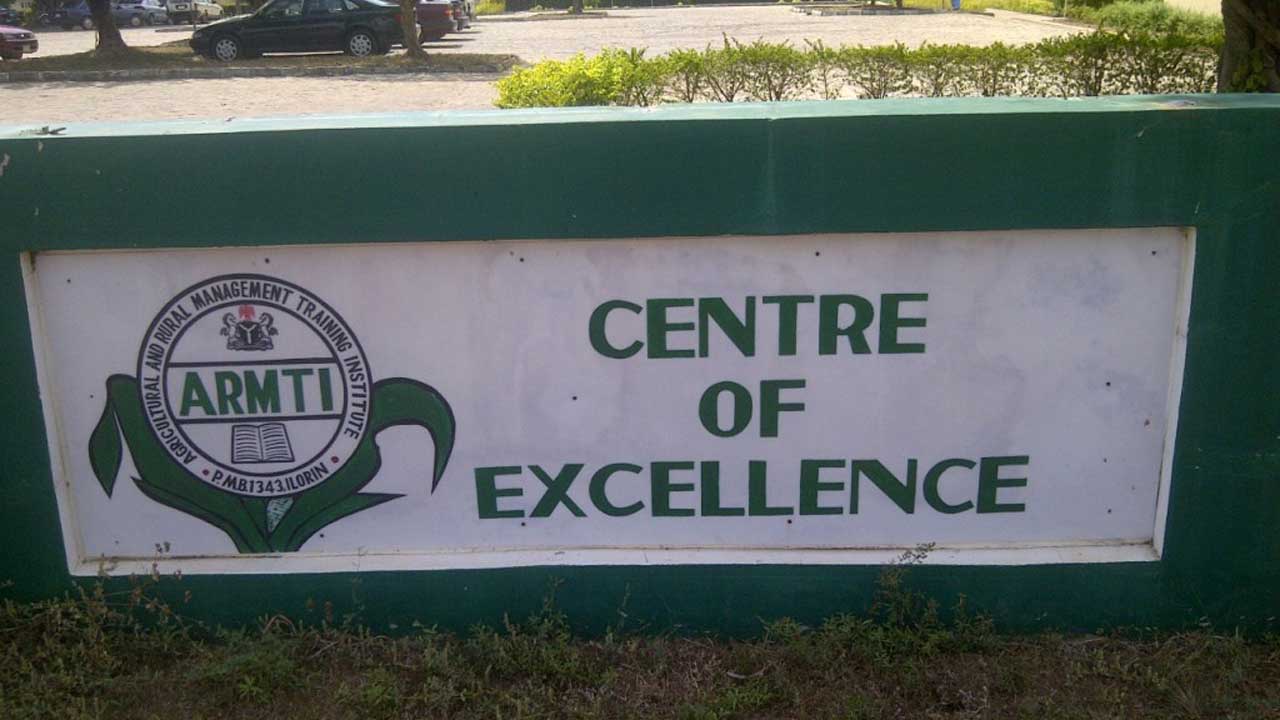
Forty women in small-scale agriculture and agribusiness drawn from six geopolitical zones of the country have been trained in agripreneurship development by the Agriculture and Rural Management Training Institute (ARMTI) in Ilorin Kwara State.
The women, who attended the training programme from such states as Oyo, Ondo, Ogun, Osun, Ekiti, Kwara, Kogi, Nassarawa, Borno, Benue, Kebbi, Abia, Edo, Imo, Delta and Lagos states, were trained in intensive agripreneurship development for five days.
Speaking at the event, the executive director of the ARMTI, Dr Olufemi Oladunni, said the aim was to make the women active participants in various agriculture enterprises and to benefit their families and the nation at large with their business.
Represented by the Head, Finance and Account department of the institute, Mr Moses Ibitoye, the executive director also said that the participants would do study visits to integrated farms in the course of their training programme to study agriculture enterprises and identify with any enterprise of their choice. For example, poultry, fishery, piggery, or crops.
Also speaking, head of, Training Department of the institute, Dr Abdulrazaq Yahaya, expressed the belief that skills acquired by the participants would go a long way to earn them a living.
“We have observed in the past that a lot of university or polytechnic graduates in the country are in search of elusive white-collar jobs upon their graduation. We thus try to imbibe the culture of agriculture in them, towards having a change of attitude in agriculture and choose an enterprise in agriculture. So, we believe that skills acquired would go a long way to earn them a living. In the past, agriculture was seen as a way of living among our people, but it's business nowadays. We will train them agricultural skills. They would then choose the enterprises of their own”, he said.
Also in an interview, Head, Rural Development and Gender Issue (RUDEG) of ARMTI, Mr Olasoye Abiodun, said that when women are empowered, family is empowered.
“If you look at the nation's population figure, one would see it's about 50-50 for both male and female. Women have peculiar challenges and we feel we should specially select them for entrepreneurship training so that some of the problems they are facing aside that of men could be addressed. When women are empowered, family is empowered. We want our women to be fully engaged in agripreneurship whether they practice at home or outside their residential homes.
“Agripreneurship cuts across every area of agriculture. It's not necessarily they go to farm with hoes and cutlass or rear animals. There are things they can do right at home, eg fish smoking, making cassava chips, plantain chips, among other value chains of agriculture.
Some of the participants, who commended the organizers of the training programme, shared their vision on the programme.
Mrs Susan Folasade Samuel and Yussuf Nafisat said that “agriculture should not only be for men. Women should be able to benefit from agricultural production. We hope to improve our knowledge on agric and participate in agric development to benefit our community and Nigeria as a whole.
Cloud Tag: What's trending
Click on a word/phrase to read more about it.
Abdulrauf Yusuf Isiaka Gold Kpotum Mohammed Baba Lola Ashiru Jimba Babatunde Imodoye Writer’s Enclave Kola Adesina Al-Hikmah University Abdul-Rahoof Bello IHS Sun Qing Rong Overland Abdulmumin Yinka Ajia Wahab Femi Agbaje Ebola Atiku Abubakar Kulende-UITH Kishira PPS Amule Hajj Amuda Musbau Chief Imam Of Lafiagi Facebook Zaratu Umar Lawan Okiki NAWOJ Kayode Zubair Alabi Olayemi Abdulrazak Onikijipa Lai Gobir Maigidasanma Ilorin.Info Ilota 20 Billion Bond Amina El-Imam Stephen Fasakin Abdulquawiy Olododo Abubakar Usman Jos Fatai Olodo Suleman Abubakar Kwara South Hassan Abdulazeez Elewu IYA YUSUF Kwara NIPR Jani Ibrahim Mustapha Olanipekun Atiku Jelili Yusuf Abdulganiyu Salahudeen Baakini Ilorin Like-Minds Saliu Ajia Niyi Ogundiran Trader Moni Lola Olabayo Aso-ofi Unilorin FM Bola Tinubu Lukman Adeloyin Abdulwahab Ololele Dele Momodu Abubakar Lah Sherif Shagaya Bibire Ajape Raji Ayodele Kamaldeen Tunde Mukaila Mustapha Omoniyi Ayinla Fulani Ijakadi Ojo Isekuse Oniye Ayinde Oki Oba Sulaiman Asude Olokoba Sulyman Ilorin Talaka Parapo