Yellow fever vaccination starts September 30 in Kwara
Date: 2017-09-26
Aedes aegypti, the yellow fever mosquito, is a mosquito that can spread dengue fever, chikungunya, Zika fever, Mayaro and yellow fever viruses, and other diseases
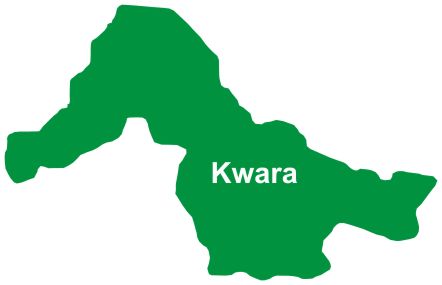
A vaccination campaign for Yellow fever is planned to begin in Ifelodun local government area of Kwara by September 30 to prevent further spread of infection.
Ifelodun is site where a girl in the community of Oke Owa is reported yo have contracted Yellow fever on September 12.
Surrounding local government areas will also be covered in the vaccination campaign, the Nigeria Centre for Disease Control said Monday.
The case of Yellow fever was diagnosed and Lagos University Teaching Hospital and confirmed at the Institut Pasteur, Dakar, Senegal.
Since then Kwara state epidemiology team has been working with federal and international partners to continue investigation and assess risks.
A multi-agency Incident Management System has also been constituted at the Nigeria Centre for Disease Control to ensure a rapid and coordinated response.
Yellow fever is an acute viral haemorrhagic disease transmitted by infected Aedes mosquitoes.
Symptoms include fever, headache, jaundice (yellowness of the eyes), muscle pain, nausea, vomiting and fatigue.
Some infected people may not experience any of these symptoms, while in some the symptoms might be mild.
In severe cases, jaundice and bleeding may occur from the mouth, nose, eyes or stomach.
"Vaccination against the disease remains the most important measure in preventing Yellow Fever, and the Yellow Fever vaccine is part of the childhood immunisation schedule in Nigeria," said NCDC national coordinator Chikwe Ihekweazu.
"Other methods of prevention include using insect repellents, sleeping under a long-lasting insecticide treated nets, living in net screened accommodation, ensuring proper sanitation and getting rid of stagnant water or breeding places for mosquitoes.
Although there is no specific medicine to treat the disease, intensive supportive care can be provided and most patients would recover with appropriate care when they present early enough, said Ihekweazu.
Health care workers are strongly advised to practice standard precautions while handling patients and/or body fluids at all times.
They are also urged to be alert, be familiar with the case definition and maintain a high index of suspicion.
Nigerians are advised to remain calm and support public health authorities, avoid self-medication and report to the nearest health facility if feeling unwell or notice any of the above symptoms in anyone around.
Source